

CBT · EMDR · ACT · MINDFULNESS · CFT
What happened to you doesn't have to
define who you are now
Self Stories offers specialist trauma and PTSD therapy with Emran Hussain. Online across the UK and in-person in Birmingham & Solihull. Evidence-based. Human-centred.
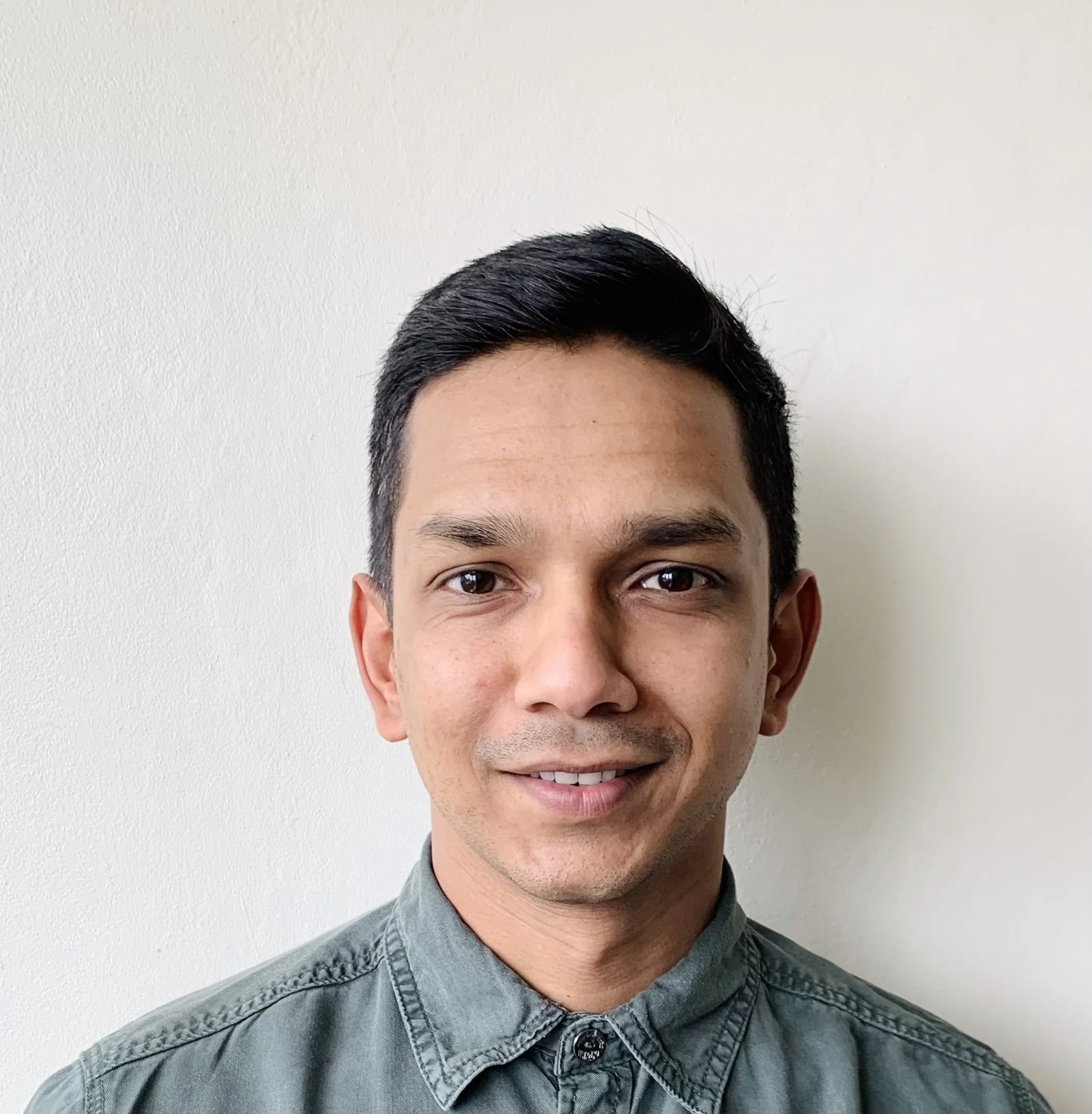
ABOUT ME
Thoughtful, experienced
therapy - rooted in
your reality.
'm Emran — a BABCP-accredited Psychological Therapist with over 18 years of experience working across NHS and private settings. My specialism is trauma and PTSD in all its forms: single-incident trauma, Complex PTSD, childhood abuse, sexual trauma, birth trauma, RTAs, and the kind of accumulated hurt that can be hard even to name.
I trained at the University of Birmingham and have spent years working within NHS Talking Therapies services, including 11 years in Birmingham & Solihull. I've held clinical lead roles, supervised teams, and helped shape how digital therapy is delivered safely. But at the heart of all of it has always been the same thing: the one-to-one work with people who are carrying something heavy and want to find a way through.
I work from a strong CBT foundation, drawing on EMDR, ACT, and mindfulness-based approaches as the person in front of me requires. I'm culturally informed, experienced in working with men, and genuinely interested in who you are — not just what you've been through.

MY STORY
Why I do this work.
My career began in forensic settings at Broadmoor Hospital — working with some of the most complex presentations in the mental health system. It was formative. It taught me that even in the most difficult circumstances, people are more than the worst thing that has happened to them.
I went on to train as a Psychological Wellbeing Practitioner as part of the early IAPT cohorts, and then as a CBT therapist, later adding EMDR, ACT, and mindfulness-based approaches. I spent over a decade working within Birmingham & Solihull NHS, where much of my caseload involved people who had experienced severe, complex, and layered trauma — including refugees, asylum seekers, survivors of childhood abuse, and people for whom language and cultural barriers added another layer of difficulty.
~
That experience shaped everything.It made me understand that good trauma therapy isn't one-size-fits-all. It requires flexibility, patience, a genuine relationship — and the clinical skill to know which tools to reach for and when.
I've since held senior clinical and leadership roles across NHS and private sectors, and contributed to national guidance on digital therapy. I've also played a role in AI-driven mental health product development, with a particular focus on clinical safety. But I've never stopped doing the direct work. It remains, for me, the most important thing I do.
~
This practice is a return to that — focused, specialist, personal. Just me, working with people who are ready to begin.
““Trauma doesn’t just live in memory. It lives in the body, in relationships, in the stories we tell ourselves about who we are.””
THERAPY APPROACHES
Evidence-based therapy, without the jargon.
Each approach I offer is grounded in research and NICE guidelines. I weave them together based on what you need — not a rigid protocol, but clinical skill applied thoughtfully
CORE FOUNDATION
Cognitive Behavioural Therapy (CBT)
CBT helps you understand the relationship between your thoughts, feelings and behaviour. When you're stuck in patterns that grew out of trauma — avoidance, hyper-vigilance, distorted self-belief — it gives you practical, structured tools to notice what's happening and respond differently.
My CBT practice is trauma-focused where needed, integrating Trauma-Focused CBT protocols alongside broader cognitive and behavioural work.
Trauma · PTSD · Anxiety · Depression · OCD · Health Anxiety · Social Anxiety · GAD · Stress
TRAUMA PROCESSING
Eye Movement Desensitisation & Reprocessing (EMDR)
EMDR is one of the most effective NICE-recommended treatments for PTSD. It helps your brain reprocess distressing memories, reducing their emotional intensity, often without needing to talk through every detail. It's powerful, evidence-based, and often quicker than people expect.
I've been practising EMDR for over 13 years and have used it extensively with complex presentations, including CPTSD, childhood trauma, and sexual abuse.
PTSD · Trauma · Distressing memories · Phobias · Anxiety
VALUES-LED LIVING
Acceptance & Commitment Therapy (ACT)
ACT takes a different angle. Rather than fighting difficult thoughts and memories, it helps you change your relationship with them — so they lose their power to control your behaviour. The goal isn't to stop the pain, but to build a life that matters in spite of it. For trauma survivors, this is often transformative.
Anxiety · Chronic Pain · Depression · PTSD · Emotional Avoidance · Burnout · Low Self Esteem
INTEGRATIVE
Mindfulness-Based CBT (MbCBT)
Mindfulness-Based Cognitive Therapy combines CBT skills with mindfulness practice, helping you notice your thoughts without being swept away by them. It builds a steadier, more grounded relationship with your inner world. Particularly helpful for people with recurring depression, high anxiety, or a very busy, self-critical mind.
Depression Relapse · Anxiety · Stress · Emotional Dysregulation · Rumination · Worry
SERVICES
Ways we can work together
01 Individual Therapy
Face-to-face or online sessions, A consistent, private space to do meaningful work, whether you're navigating anxiety, depression, OCD, trauma, or something harder to name. We offer focused short-term work and longer-term support, depending on what you need
02 Clinical Supervision
Thoughtful, reflective supervision for trainee and qualified therapists. Grounded in third-wave CBT and process-based approaches, a space to sit with complexity and grow without being rushed to an answer.
03 Workshops & Webinars
Bespoke sessions for organisations looking to build psychologically-informed cultures. We bring evidence-based thinking on stress, trauma informed care, mental health and wellbeing into workplaces in a way that actually lands.
WHO I WORK WITH
Reaching out, courage in action
Whether you've been struggling for years or something has recently shifted, our therapists are experienced in working with a wide range of common mental health difficulties.
-
Generalised anxiety, constant worry, and a mind that won't switch off. We help you understand what's keeping the anxiety going and what actually helps ease it, long-term.
-
Whether from a single event or prolonged difficult experiences, trauma leaves a mark. EMDR and trauma-focused CBT are both highly effective and we offer both.
-
When everything feels flat, heavy or pointless. We work together to understand the patterns keeping you stuck and help you move, gradually and sustainably towards what matters.
-
Obsessive thoughts, compulsions and rituals that consume your time and energy. CBT with ERP is the gold-standard treatment for OCD, and we have extensive experience delivering it well.
-
Persistent worry about illness, constant checking, reassurance-seeking that never quite satisfies. We help you understand the cycle maintaining it and find a way out of it.
-
The dread before social situations. The post-event replay. The self-consciousness that quietly makes life smaller.

FEES & INSURANCE
Transparent, straightforward.
Therapy is an investment. I want the process to be as clear as possible - no surprises.
Initial consultation (15 Mins) £0
Individual session (50 mins) £100
EMDR Intensive (90 mins). £150
Clinical Supervision (individual) £85
Insurance-funded sessions also available. Get in touch
and we can work out the details together.
BABCP ACCREDITED THERAPIST
BABCP accreditation means I meet the highest professional standards for CBT practice in the UK. It's independently verified, not self-declared.
I hold enhanced DBS clearance, professional indemnity insurance, and I am committed to ongoing continuous professional development and regular clinical supervision.
Sessions are available online via secure video platform, and in-person at Solihull Wellbeing Clinic, Birmingham B28.
GET STARTED
Ready to take the first step?
A free 15-minute call. No commitment, no pressure - just a chance to share a little, ask questions, and see if we're the right fit.
FOR ANYTHING ELSE get in touch
COMMON QUESTIONS
You might be wondering…
How do I know which type of therapy is right for me?
You don't have to figure that out before you get in touch. Our free 15-minute consultation is specifically designed to help us understand what you're dealing with and which approach is most likely to help. We'll be honest with you about what the evidence says.
What's the difference between CBT, ACT and CFT?
CBT focuses on identifying and changing unhelpful thoughts and behaviours. Third-wave approaches like ACT and CFT shift the emphasis slightly, less about changing the content of thoughts, more about changing your relationship with them. In practice, our therapists often weave all of these together, depending on what's most useful for you.
Can EMDR be done online?
Yes. EMDR adapts well to online delivery, and our therapists are trained to work in this format. You'll need a stable internet connection and a private space. Many clients find online EMDR just as effective as in-person work.
Are you culturally sensitive?
Yes. I've worked extensively with diverse communities across Birmingham and beyond, including with refugees and asylum seekers. Your cultural identity and context are part of the picture, not separate from it.
How many sessions will I need?
It genuinely depends on what you're working with. Focused difficulties can sometimes shift in 6–12 sessions. Complex or long-standing presentations usually benefit from more time. We'll give you an honest, realistic view at your initial consultation.
Do you work with men specifically?
I don't exclusively, but I have significant experience and a particular interest in men's mental health. I understand how trauma presents differently in men and offer a style that tends to work well.